Face ID vs Touch ID: Best Used iPhone Pick
Face ID or Touch ID on a used iPhone in 2026? Compare speed, security, glove use, resale value, and the best models to buy for each.
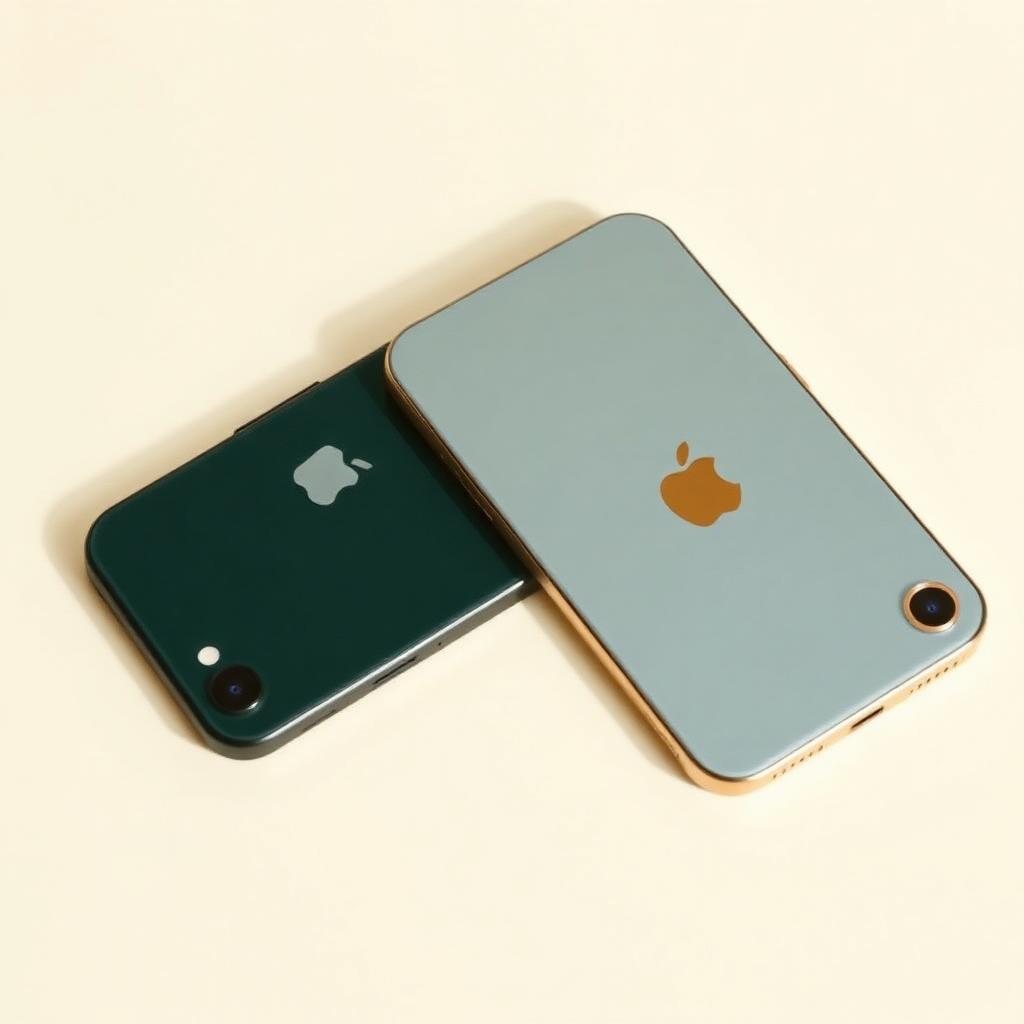
!iPhone SE with Touch ID next to a modern Face ID iPhone
The iPhone SE (3rd gen) is still on shelves and still the last new Apple phone with a home button. On the used market that keeps a real debate alive: Face ID or Touch ID?
Speed and daily convenience
- Face ID — unlocks the moment you glance at the screen, works with Apple Pay, passwords, and app installs.
- Touch ID — one tap on the home button; slightly faster than Face ID with masks, gloves off.
Since iOS 15.4, Face ID works with masks on any iPhone 12 or newer, which closed the biggest gap Touch ID used to have.
Security
Apple's own numbers:
- Touch ID: 1 in 50,000 false match rate.
- Face ID: 1 in 1,000,000 false match rate.
For banking apps and NHS logins, Face ID is measurably harder to spoof.
Gloves, sunglasses and the real world
- Winter cycling? Touch ID loses — you need bare skin.
- Wearing sunglasses? Face ID still works; polarised lenses can occasionally interfere.
- Phone flat on the desk? Face ID needs Attention Aware turned off or a small tilt.
Resale value in 2026
Touch ID models depreciate faster because Apple has signalled the home button is on the way out. If you plan to resell in 2–3 years, a Face ID iPhone will hold value better.
Our picks
- Best Touch ID buy — iPhone SE (3rd gen), Grade A, from £229.
- Best entry Face ID buy — iPhone 12, Grade A, from £299.
- Best all-round Face ID buy — iPhone 13 Pro, Grade A, from £449.
Verdict
If you need a small, cheap iPhone for a child or a work fleet, Touch ID still makes sense. For everyone else in 2026, Face ID is the safer, faster and more future-proof unlock — and the used-market prices have never been friendlier.